
Parking & Automotive / California
Solar for Fleet Facilities and EV Charging Hubs
Fleet depots and charging hubs are electrical projects first. The chargers set the service size, the duty cycle sets the demand profile, and storage and solar determine how much of that demand the utility bill reflects. California's fleet electrification rules are pushing public and private fleets toward these facilities on fixed timelines.
Eventure's Role
Eventure works with fleet operators, developers, and engineers to plan solar and storage into depots and charging hubs alongside the make-ready infrastructure.
We bring solar into the project at schematic design, size the Energy Code requirement, coordinate the roof, structure, electrical rooms, and battery location with your architect and engineers, and carry the system through permitting, utility interconnection, inspection, commissioning, and closeout.
Title 24 treatment
Fleet facilities combine maintenance, office, and covered parking. Office and other listed occupancies trigger Section 140.10; canopies over charging positions count toward Solar Access Roof Area. CALGreen EV infrastructure requirements apply to new parking.
Design Considerations
What is different about fleet & ev charging hubs.
- Demand managementFleet charging creates large, predictable demand peaks. Storage sized to the duty cycle reduces demand charges that can dominate the facility's operating cost.
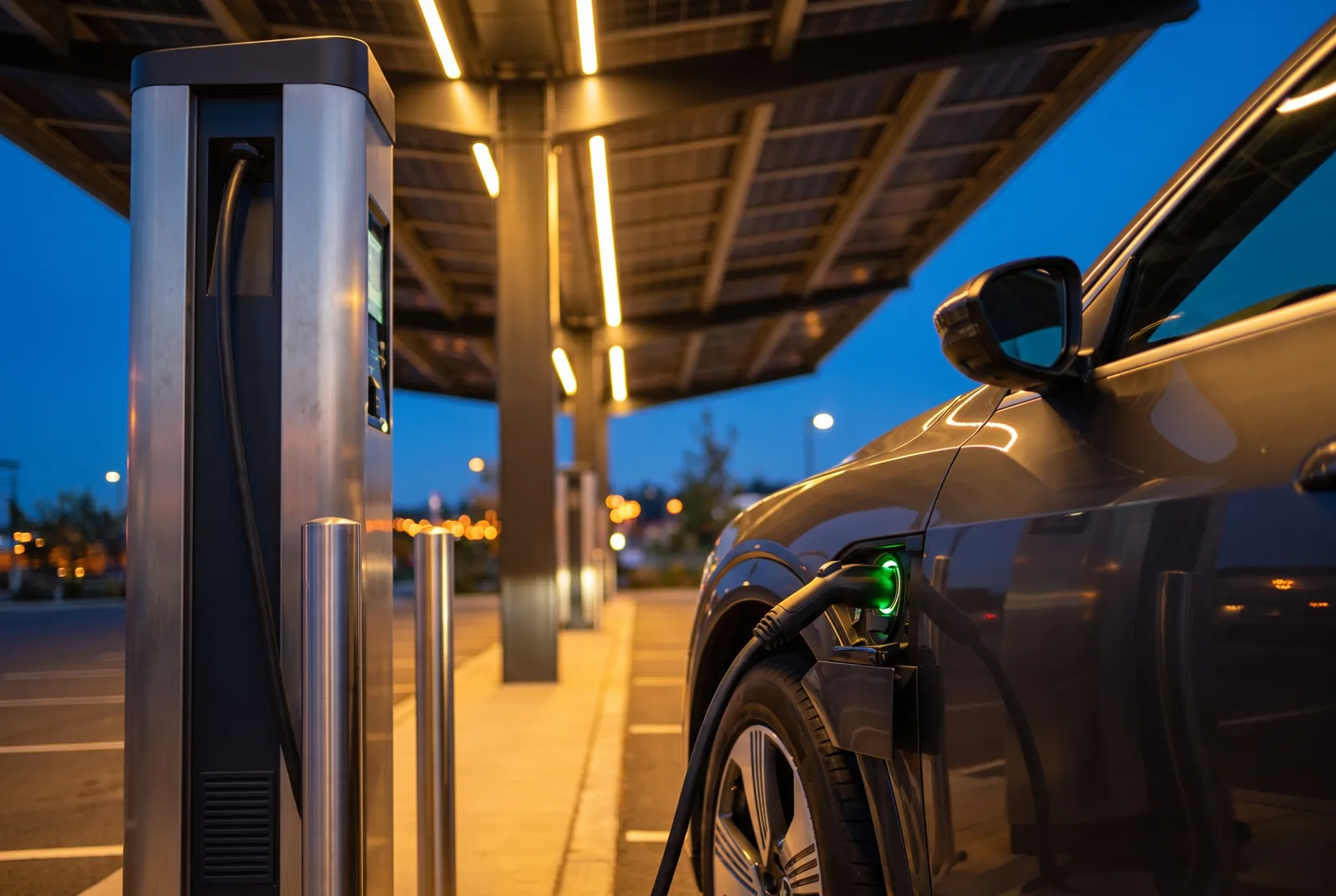
- Canopies over charging positionsCanopies shade vehicles and chargers, carry lighting, and host PV directly above the load they serve.
- Utility make-ready programsUtility programs can fund portions of make-ready infrastructure for fleet charging. Program requirements affect design and timing, so we coordinate early.
- Service capacity and interconnectionLarge charging loads and large arrays both require interconnection studies. Filing during design protects the energization date.
Keep Solar Off the Critical Path
Don't let solar be the last thing standing between your project and its Certificate of Occupancy.
On fleet & ev charging hubs projects, as on every California building, the Energy Code requirement, the fire authority's review of the battery, the utility's interconnection timeline, and the building's final inspection all depend on the solar scope being designed, permitted, installed, and documented in sequence. We treat it as a scheduled trade from day one.
Solar and the Certificate of Occupancy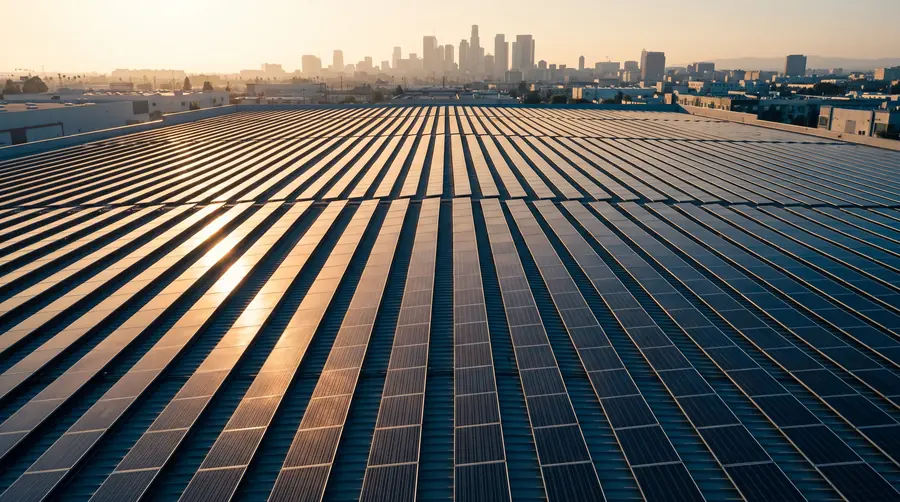
Questions
Fleet & EV Charging Hubs solar, answered.
Can solar meaningfully offset fleet charging?
Partly, and storage makes it more useful. Canopy and rooftop arrays offset daytime charging directly and charge storage that discharges into evening charging windows. The share depends on fleet duty cycles and site area, which we model.
What utility programs support fleet charging infrastructure?
Investor-owned utilities and some municipal utilities offer make-ready and infrastructure programs for fleet charging. Program availability and terms change, so we confirm what applies to each site during planning.
Related
More parking & automotive building types.
All parking & automotive · All building types · Where we work
Discuss Your Project
Planning fleet & ev charging hubs in California?
Send us the drawings at any stage. We will size the Title 24 requirement, review the roof and electrical approach, and map the path to a Certificate of Occupancy that does not wait on solar.