Our hearts are with everyone affected by the fires that swept through Los Angeles this January, among the most destructive disasters in California's history. As neighbors and as members of this community, we share the grief of those who lost homes, businesses, and a sense of safety. We also believe this moment calls for more than sympathy. It calls for building back in a way that makes our communities harder to knock down.
What the Fires Took
Thousands of acres burned. Entire neighborhoods were evacuated, thousands of structures were damaged or destroyed, and thousands of residents were displaced. Beyond the physical destruction, the psychological toll continues long after the smoke clears, as displaced families navigate insurance, rebuilding, and uncertainty about what comes next.
A Pattern, Not an Anomaly
California's wildfire problem has intensified dramatically, with most of the largest fires in state history occurring in just the past several years. Prolonged drought, hotter temperatures, and extreme wind events have made fire season longer and more dangerous, and the aftermath brings its own hazards, from soil erosion to flash flooding in burn scars.
Where Solar and Storage Fit
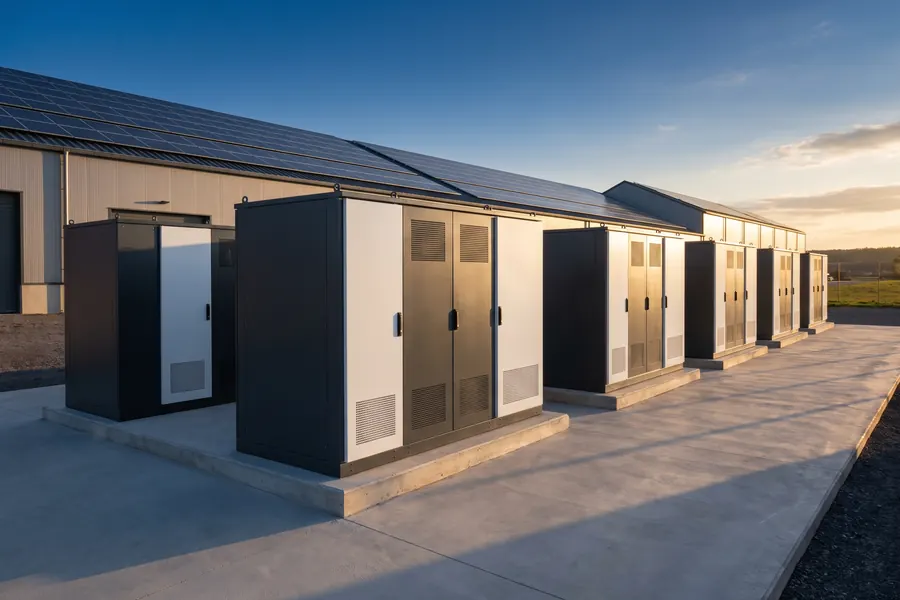
Energy resilience is a thread that runs through every disaster story. When the grid goes down, so do refrigeration, medical equipment, communications, and the everyday systems people depend on. Solar paired with battery storage changes that equation.
A building that can generate and store its own power is not just a lower utility bill. It is a resource its community can lean on when everything else is dark.
Storage lets a facility bank solar energy for nighttime use or outages. During public safety power shutoffs and grid emergencies, buildings with adequate storage can keep critical loads running independently. For businesses, that means continuity. For communities, it can mean a lit, powered gathering point in a hard week.
Resilience Is a Collective Project
No single technology makes a community disaster-proof. Real resilience comes from coordinated effort: government agencies strengthening emergency protocols, nonprofits and volunteer networks organizing preparedness at the neighborhood level, and businesses investing in infrastructure that holds up under stress. Distributed clean energy belongs on that list, alongside defensible space and early warning systems.
Moving Forward Together
Supporting those affected comes first, and that support must be sustained long after the headlines fade. As rebuilding begins, we have a chance to rebuild smarter: more resilient buildings, more distributed energy, and more communities that can take a hit and stay standing. That is work worth doing together.