When Should Solar Be Designed Into a New Construction Project?
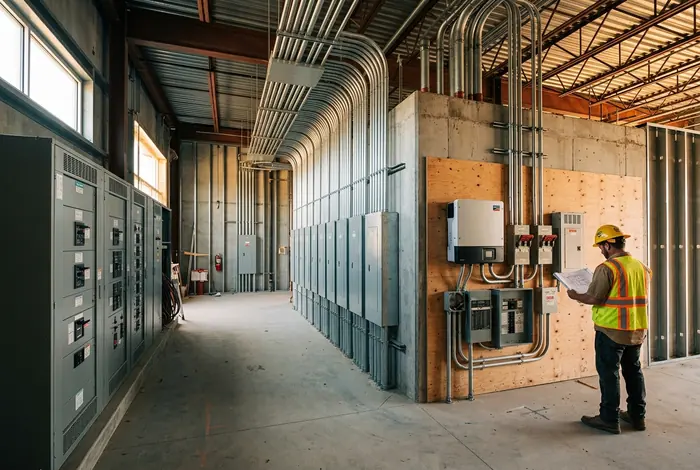
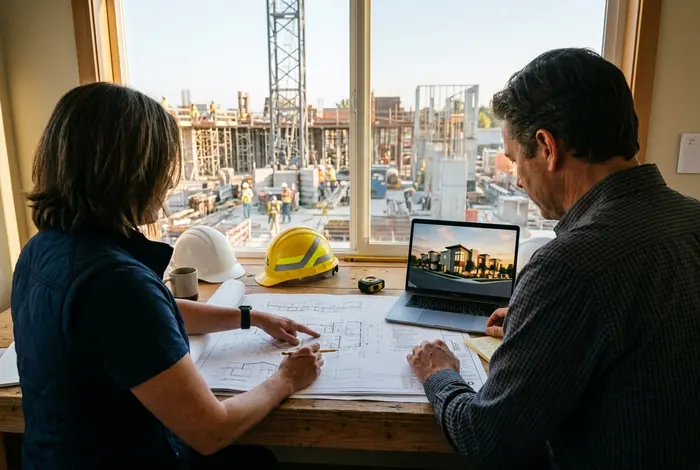
Schematic design. Every phase after that narrows the options and raises the cost of the same decisions.
Commercial Solar
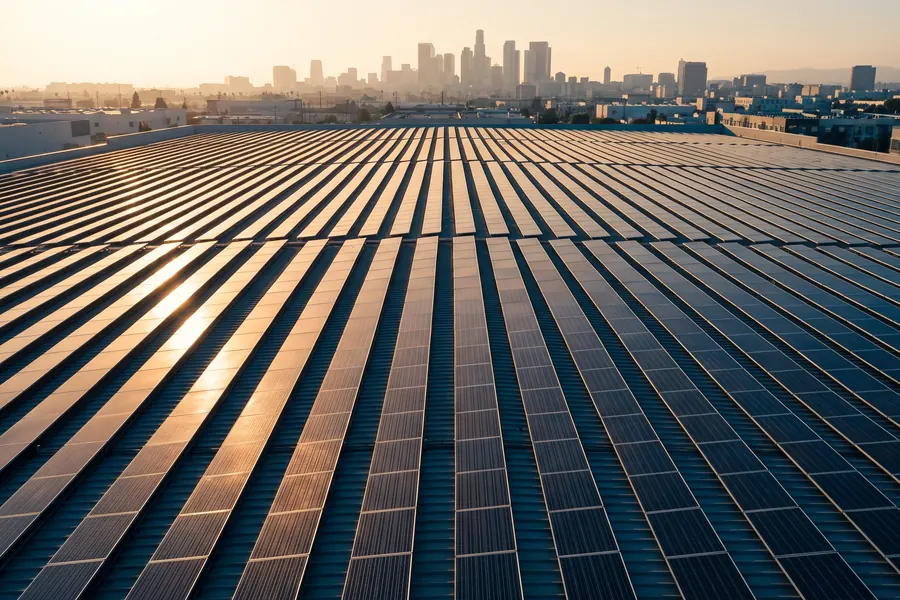
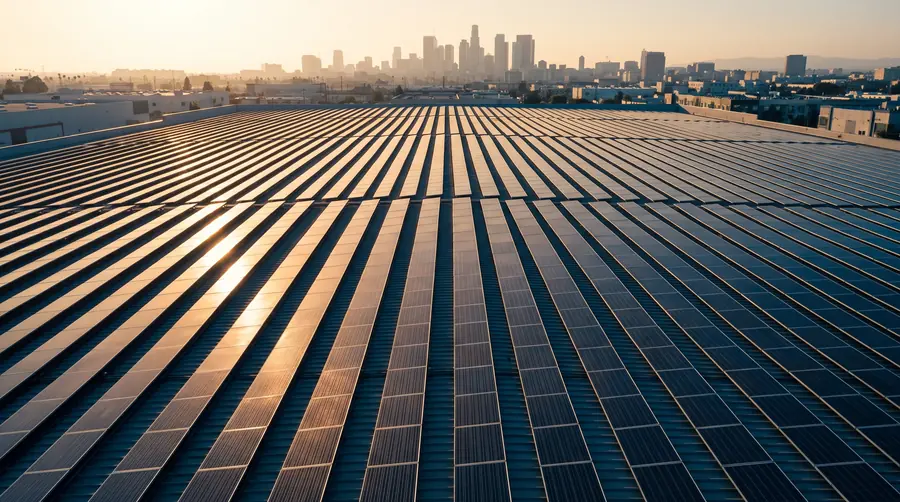
Fly over Los Angeles and you see it immediately: mile after mile of flat, sun-drenched commercial rooftops and open parking lots, most of them doing nothing but absorbing heat. That is one of the largest untapped energy resources in the country, and if you own commercial or industrial property here, some of it is yours.
Southern California combines exceptional solar resource with some of the highest commercial electricity rates in the nation, plus utility programs that will actually pay you for the power your property produces. Few markets anywhere stack the deck this favorably for building owners.
Property owners typically put that potential to work in one of two ways. Host a system through a feed-in tariff lease, where we build and operate the array and you collect guaranteed rent for up to 20 years. Or offset your own consumption through ownership or a power purchase agreement, cutting your operating costs and hedging against future rate increases. Either way, the roof or lot you already own does the heavy lifting.
Between structural review, utility applications, permitting, prevailing wage compliance, and incentive capture, commercial solar is a development exercise as much as a construction one. Partnering with an experienced local developer means those moving pieces are handled by people who navigate them every week, and it means the projections you sign are projections that hold.
Demand for clean energy keeps growing, tenants and investors increasingly expect it, and the programs that make it lucrative will not stay this generous forever. If your property has open roof or parking area, find out what it could be earning. The assessment is free, and the potential is already sitting on your roof.
Keep Reading
Schematic design. Every phase after that narrows the options and raises the cost of the same decisions.
The building's final inspection depends on the Energy Code scope being complete and documented. If solar is the last trade on site, solar is the delay.
Twelve mistakes we see on California projects, why they happen, and what the fix looks like on paper.